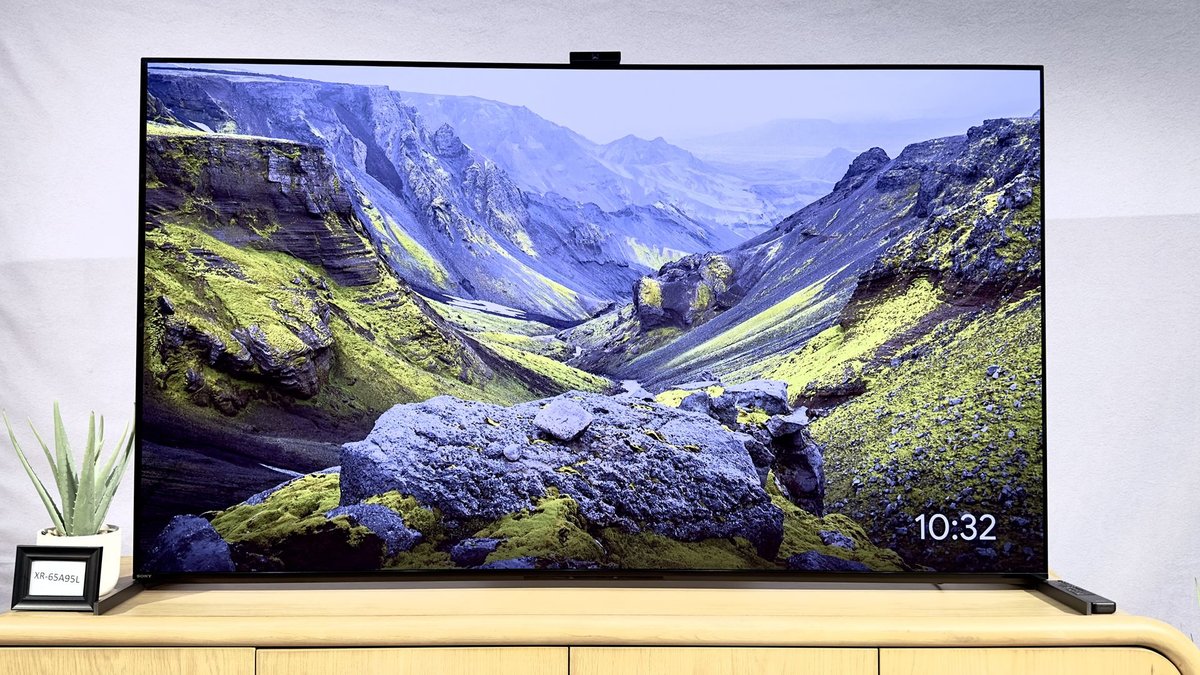
When you stand before an OLED TV, it’s not just another screen; it’s an invitation to a different league of visual experience. The deep, inky blacks that seem to swallow light, the vibrant colors that pop with lifelike intensity, and the silky-smooth motion all whisper a promise of unparalleled immersion. But then, you see the price tag, and that whisper turns into a shout, prompting the critical question: when it comes to OLED TV Pricing, Value, and Cost-Benefit Analysis, is this premium experience truly worth the investment?
For many, the cost of an OLED TV feels like a significant hurdle. It's a technology that demands a higher upfront payment than its LED or QLED counterparts. Yet, for those who value cinematic quality, competitive gaming performance, and a stunning aesthetic, OLED offers benefits that can genuinely reshape your home entertainment. This guide cuts through the noise to help you understand what you're truly paying for, what you'll gain, and if an OLED TV makes sense for your specific needs and budget.
At a Glance: Key Takeaways for Your OLED Decision
- Unrivaled Picture Quality: OLED delivers perfect blacks, infinite contrast, and vibrant colors due to individual pixel control, offering a truly superior viewing experience.
- Premium Price Tag: Expect to pay more upfront for an OLED TV than for comparable LED or QLED models.
- Advanced Features Standard: Even entry-level OLEDs often pack high-end gaming features like HDMI 2.1 and 4K@120Hz.
- Considerations: Burn-in risk (though largely mitigated with modern use), perceived shorter lifespan, and potential for gradual dimming over many years.
- Ideal User: Cinephiles, serious gamers, and sports enthusiasts who prioritize top-tier visual performance.
- Timing Matters: Major sales events (Black Friday, Cyber Monday, Super Bowl sales) are often the best times for significant discounts.
The OLED Promise: A Visual Feast Unpacked
At its core, OLED (Organic Light-Emitting Diode) is a groundbreaking display technology where each pixel generates its own light. Unlike traditional LED or LCD TVs that rely on a shared backlight behind the entire screen, OLED pixels can turn completely off, creating true, inky blacks. This isn't just a technical detail; it's the foundation of OLED's legendary picture quality.
Imagine a starfield where each tiny point of light shines brilliantly against a backdrop of absolute darkness, not a murky gray haze. That's the infinite contrast ratio OLED offers, creating depth and realism you simply can't achieve with backlit panels. Colors burst with vibrancy, accurately rendered thanks to the precision of pixel-level light control. This translates into:
- Perfect Blacks: No "light bleed" or "blooming" around bright objects on a dark screen.
- Infinite Contrast: The difference between the brightest whites and darkest blacks is unparalleled, leading to incredible image depth.
- Vibrant, Accurate Colors: Movies, shows, and games look exactly as their creators intended, with stunning realism.
- Wider Viewing Angles: The picture remains consistent and vibrant even if you're not sitting directly in front of the screen.
- Blazing Fast Response Times: Pixels switch on and off almost instantaneously, eliminating motion blur and ghosting, crucial for fast-paced action and gaming.
For anyone who demands the absolute best in visual fidelity—whether you're a film enthusiast dissecting every frame of a critically acclaimed drama, a hardcore gamer needing split-second responsiveness, or a sports fanatic wanting to catch every detail of the action—OLED fundamentally elevates the experience. If you're currently deciding on an OLED TV and wondering about the visual impact, know that it's often the single most cited reason for the purchase.
Beyond the Picture: Design & Features That Add Up
OLED TVs aren't just about what's on the screen; they also bring a level of sophisticated design and integrated features that enhance the overall value proposition.
Sleek Aesthetics & Energy Efficiency
Because OLED pixels generate their own light, there's no need for bulky backlighting units. This allows manufacturers to create unbelievably thin panels, often no thicker than a smartphone in places. The result is a sleek, minimalist design that looks stunning whether mounted flush against a wall or sitting elegantly on a stand. These TVs become a focal point, blending seamlessly into modern living spaces.
Beyond looks, OLED TVs are also generally more energy-efficient than traditional LCDs. Since individual pixels can turn off completely when displaying black, they consume less power compared to a constantly backlit screen, especially when watching content with significant dark areas. This small but consistent saving can add up over the lifespan of the TV.
Advanced Features as Standard
One of the often-overlooked aspects of OLED value is the suite of advanced features you frequently get even with "entry-level" models. While LED TVs might reserve these for their top-tier offerings, many OLEDs come equipped with:
- HDMI 2.1 Inputs: Essential for next-generation consoles (PS5, Xbox Series X) to unlock features like 4K resolution at a buttery-smooth 120 frames per second (Hz), Variable Refresh Rate (VRR) for tear-free gaming, and Auto Low Latency Mode (ALLM) for instant responsiveness.
- Dolby Vision HDR: A premium High Dynamic Range format that uses dynamic metadata to optimize picture quality scene-by-scene, delivering breathtaking contrast and color.
- Cutting-Edge Processors: OLED TVs often feature powerful image processors that use AI to upscale lower-resolution content, reduce noise, and fine-tune colors for the best possible picture.
Consider models like the LG B5, which, even as an entry-level OLED, offers full HDMI 2.1 support, making it a dream for serious gamers. On the higher end, a flagship like the Samsung S95F takes it further with uniform panel thickness, an external hardware box for a cleaner look, better color volume, and higher highlight brightness, all alongside extensive gaming features. You're not just buying a screen; you're often getting a full package of future-proofed, high-performance tech.
The Sticker Shock: Understanding OLED TV Pricing
Let's face it: the most common deterrent for potential OLED buyers is the price. There's no sugarcoating it—OLED TVs typically command a higher premium than most LED or QLED models. But understanding why they cost more helps put that price into perspective.
Why the Premium Price Tag?
The primary reason for OLED's higher cost boils down to manufacturing complexity and yield rates. Producing these self-emissive organic panels is a more intricate process than manufacturing traditional LCD panels, which are more mature and easier to mass-produce. As technology advances, these costs generally come down, but for now, the cutting-edge nature of OLED dictates a steeper entry point.
General Price Landscape
While prices fluctuate constantly with sales and new model releases, here's a rough comparison:
- Entry-level 55-inch OLED: Often starts around $1,300 - $1,600 during non-sale periods.
- Mid-range 55-inch OLED: $1,800 - $2,500, offering brighter panels or more advanced processors.
- Flagship 55-inch OLED: Can easily exceed $2,500, incorporating the latest panel tech (e.g., MLA or QD-OLED) and premium design features.
In contrast, a decent 55-inch LED TV can often be found for $500-$800, and even solid QLED options might range from $800-$1,200. This significant price gap is where the cost-benefit analysis becomes crucial.
The Size-Price Curve
Like all TVs, OLED pricing scales significantly with screen size. The larger the panel, the more expensive it becomes, and this increase is often more pronounced with OLED due to manufacturing challenges at larger sizes. A 77-inch OLED, for instance, can easily cost twice as much as its 65-inch counterpart. If budget is a concern, carefully consider the ideal screen size for your viewing distance rather than simply defaulting to the largest possible option.
Price Depreciation and Sales Cycles
OLED TV prices, like most consumer electronics, tend to depreciate over time. New models are typically released in the spring, and their predecessors often see significant price drops. The best opportunities for discounts usually align with major retail events:
- Black Friday/Cyber Monday (November): Historically offers the deepest cuts.
- Amazon Prime Day (July): Another strong contender for mid-year deals.
- Super Bowl Sales (January/February): Retailers clear inventory before new models arrive.
- Spring Clearance (March/April): As new models launch, older stock is discounted.
Timing your purchase can save you hundreds, if not a thousand dollars, especially on previous year's models which often retain 95% of the performance of the latest iteration. For insights into current market trends and potential deals, it's worth exploring guides on the best OLED TV deals available this month.
The Value Proposition: Where Does OLED Shine Brightest?
"Value" isn't just about the cheapest price; it's about what you get for your money. For many, an OLED TV represents an investment in an unparalleled entertainment experience.
The "Cost-Per-Enjoyment-Hour" Metric
Think about how many hours you spend watching TV, gaming, or streaming movies. If you're an avid consumer of visual media, the "cost-per-enjoyment-hour" of a premium display can actually be lower than you might think over its lifespan. While the initial outlay is higher, the consistent, superior visual fidelity translates into a more satisfying experience with every single use. If you watch several hours of TV a day for 5-7 years, the initial price difference starts to spread out significantly.
Long-Term Satisfaction and Immersion
The benefits of OLED—perfect blacks, vibrant colors, incredible contrast—aren't just fleeting impressions; they fundamentally change how you perceive content. Details hidden in shadows become visible, colors appear more lifelike, and the overall sense of immersion is dramatically heightened. This isn't just an upgrade; it's a transformative experience for your media consumption. Many OLED owners report a profound satisfaction that lasts for years, finding it difficult to go back to lesser displays. This long-term satisfaction is a key part of the value equation, especially for those who consider themselves "power users" of home entertainment.
Weighing the Downsides: A Candid Cost-Benefit Analysis
While OLED offers a compelling list of advantages, it's essential to approach the purchase with a clear understanding of its potential drawbacks. A thorough cost-benefit analysis requires acknowledging these points.
The Burn-in Conundrum
Perhaps the most talked-about concern with OLED technology is the risk of "burn-in." This occurs when static images (like channel logos, news tickers, or gaming HUDs) are displayed for very long, continuous periods, potentially leaving a faint, permanent ghost image on the screen.
The Reality: While burn-in is technically possible, especially on older OLED panels or with extreme, prolonged static use (e.g., a commercial display showing the same static image 24/7), it's far less of a concern for typical home viewing. Modern OLED TVs incorporate several sophisticated features to mitigate this risk:
- Pixel Shifting: The image subtly shifts a few pixels every so often, imperceptibly to the viewer, to prevent static pixel wear.
- Logo Dimming: The TV automatically detects and dims static logos or elements on the screen.
- Pixel Refresher/Screen Saver: Built-in maintenance cycles run automatically (usually when the TV is off) to refresh pixels and prevent image retention.
For most users who watch a variety of content and don't leave their TV on a static image for 10+ hours a day, the risk of burn-in is very low. If you're a heavy gamer who plays the same game with a static HUD for hundreds of hours, it's more of a consideration, but even then, modern OLEDs are remarkably resilient. You can often find a manufacturer's warranty that covers burn-in, offering extra peace of mind.
Lifespan Expectations
Another common concern is OLED's lifespan. Historically, LED TVs were touted for their longer lifespans. However, the gap has significantly narrowed. Modern OLED panels are rated for tens of thousands of hours of use—often 50,000 to 100,000 hours before they dim to 50% of their original brightness. At 8 hours of viewing per day, 50,000 hours translates to over 17 years. While this is a "theoretical" maximum and individual experiences vary, it's clear that an OLED TV will easily last for several years of proper usage, often longer than many consumers keep a TV before upgrading.
Brightness Nuances and Gradual Dimming
OLED TVs are known for their incredible contrast, but they generally don't reach the extreme peak brightness levels of some high-end LED/QLED TVs, especially those with mini-LED backlights. This means that in very bright, sun-drenched rooms, an OLED might not "pop" as much as an ultra-bright LED. However, newer OLED generations (like QD-OLED or MLA OLED) are significantly improving peak brightness, making them more competitive in well-lit environments.
Regarding gradual dimming, all display technologies degrade over time. For OLED, the organic compounds can gradually dim over very extended periods of use. Again, this is typically imperceptible in day-to-day use and only becomes a factor after many, many years, often well beyond the typical ownership period for most TVs.
Limited Size Options (Historically)
In the past, OLED TV sizes were somewhat limited, with fewer budget-friendly smaller options or extremely large ones. While still fewer options exist than for LED TVs, the market has matured significantly. You can now find OLED TVs ranging from 42 inches (great for gaming monitors or smaller spaces) all the way up to 97 inches, though the very largest sizes come with an astronomical price tag. The sweet spot for most consumers in terms of price-to-size ratio remains in the 55-inch to 77-inch range.
Smart Spending: Navigating the OLED Market
Making an informed purchase goes beyond understanding the tech; it involves smart shopping strategies.
Timing Your Purchase: When Deals Appear
As mentioned, timing is critical. If you're not in an immediate rush, waiting for major sales events can yield substantial savings. New models are typically announced at CES in January and released in spring (March-May). The best discounts on previous year's models usually occur just before or after these new releases, and then again during major holiday sales in the fall. Patience can be a virtue here.
Choosing Your Tier: Entry-level vs. Flagship
OLED TVs come in different "tiers" within each brand, often designated by series names (e.g., LG B, C, G, M series; Samsung S90C, S95C).
- Entry-Level (e.g., LG B series, Samsung S90C): These still deliver phenomenal OLED picture quality and often include core gaming features like HDMI 2.1. They might use a slightly less bright panel or have a less powerful processor than their premium siblings, but the core OLED experience is there. This is where you often find the best value for your money.
- Mid-Range (e.g., LG C series): These are often considered the sweet spot, balancing performance with price. They typically feature brighter panels, more advanced processors, and sometimes a slightly more refined design.
- Flagship (e.g., LG G/M series, Samsung S95C): These push the boundaries with the brightest panels (like MLA or QD-OLED), most advanced processing, premium build quality, and cutting-edge features. They offer the absolute best performance but come at a significant premium, sometimes with diminishing returns for the average viewer.
Decide which features are truly essential for you. Do you need the absolute peak brightness of a flagship, or would a mid-range model suffice for your viewing environment?
The Screen Size Sweet Spot
Screen size dramatically impacts price and immersion. Here's a quick guide:
- 42-48 inches: Great for smaller rooms, bedrooms, or as a dedicated gaming monitor where you sit closer.
- 55-65 inches: The most popular range, offering a great balance of immersion and affordability for most living rooms.
- 77+ inches: For truly cinematic experiences in larger spaces, but with a significant jump in price.
Consider your primary viewing distance. THX recommends a viewing angle of 36-40 degrees for a cinematic experience, which helps determine the ideal screen size for your setup.
Room Lighting Matters
While newer OLEDs are getting brighter, an OLED TV still shines brightest (pun intended) in a room where you can control the light. If your main viewing area is a heavily sunlit room with lots of windows, a high-end LED TV with excellent anti-reflective coatings and higher peak brightness might offer a more consistently vibrant picture during the daytime. However, for evening viewing or in rooms with good light control, OLED's deep blacks provide a captivating experience that brighter LEDs can't match.
Common Questions & Misconceptions About OLED Value
Navigating the TV market can be confusing, with plenty of marketing jargon and conflicting information. Let's address some common questions about OLED's value proposition.
"Is OLED really that much better than QLED?"
This is a frequently asked question, and the answer is nuanced. QLED (Quantum Dot LED) TVs are essentially enhanced LED TVs. They use a quantum dot layer to improve color volume and brightness, often achieving very high peak brightness levels. High-end QLEDs with full-array local dimming can offer excellent contrast and vibrant colors.
The Key Difference: QLEDs still rely on a backlight. This means they can't achieve "perfect black" like OLED. Even with thousands of dimming zones, there will always be some light blooming around bright objects on a dark background. OLED's pixel-level control provides a level of contrast and black purity that QLEDs, by their nature, cannot fully replicate.
Value Comparison: If your priority is maximum peak brightness for a very bright room, or if you want the absolute largest screen size for the lowest possible cost, a high-end QLED might be a strong contender. However, for sheer cinematic black levels, infinite contrast, and per-pixel precision, OLED remains superior.
"Will burn-in definitely happen to me?"
As discussed, for typical usage, the risk of burn-in is very low with modern OLED TVs. Manufacturers have implemented numerous safeguards. If you watch a variety of content and don't routinely leave a static image on for many hours straight, it's highly unlikely to be an issue. If you're still concerned, look for models with manufacturer warranties that specifically cover burn-in, which some brands now offer.
"Are OLEDs bad in bright rooms?"
Historically, OLEDs struggled a bit in very bright environments compared to the brightest LED TVs. However, this is rapidly changing. Recent advancements like QD-OLED (Samsung S95C, Sony A95L) and MLA (Micro Lens Array) OLED (LG G3/G4, Panasonic MZ2000) have significantly boosted peak brightness levels, making them much more competitive in well-lit rooms. While they might not match the raw luminance of the brightest mini-LED TVs, their superior contrast often makes the picture appear more dynamic and impactful even in ambient light.
"Should I wait for next-gen tech?"
The pace of TV technology is relentless. There's always "next-gen" tech on the horizon (e.g., even brighter OLEDs, rollable screens, transparent displays). However, the OLED TVs available today—especially the latest generations of QD-OLED and MLA OLED—offer truly spectacular performance that is a massive leap over older technologies. Waiting indefinitely means missing out on years of incredible viewing.
The best approach is often to buy what you need and can afford now if the technology meets your current desires. While future advancements will always bring incremental improvements, the core OLED experience is already incredibly refined and satisfying. Understanding when to upgrade your TV involves balancing current enjoyment with the promise of future tech.
Making the Call: Your Personal OLED Cost-Benefit Equation
Ultimately, the decision to invest in an OLED TV boils down to a personal cost-benefit analysis tailored to your specific situation.
Ask Yourself These Questions:
- What's Your Priority? Is absolute picture quality (deep blacks, infinite contrast, vibrant colors) your number one concern, even over raw brightness or budget?
- What's Your Usage? Are you a movie buff, serious gamer, or sports fanatic who will truly appreciate and utilize OLED's performance advantages? Or are you a casual viewer who mostly watches daytime news?
- What's Your Budget? Can you comfortably afford the premium price, or would it strain your finances? Remember to factor in potential savings from sales events.
- What's Your Environment? Do you watch in a light-controlled room (ideal for OLED) or a very bright, sun-drenched space?
- What's Your Risk Tolerance? While burn-in is rare for typical use, are you comfortable with the perceived risk, or would you prefer a technology with zero chance of it?
If high-end display quality, truly immersive entertainment, and competitive gaming are top priorities, and your budget allows, an OLED TV can be an incredibly worthwhile investment. The sheer visual fidelity and the resulting enjoyment are unmatched by other current display technologies. For many, it's not just a TV; it's a window to content that looks better than they ever imagined.
Your Next Steps to an Unforgettable Viewing Experience
Don't just take our word for it. Now that you're armed with a deeper understanding of OLED TV pricing, value, and its cost-benefit analysis, here are your actionable next steps:
- Research Specific Models: Dive into detailed reviews of the specific OLED models that fit your desired size and budget. Sites like RTINGS.com, CNET, and Digital Trends offer in-depth, unbiased analyses.
- Compare Features and Pricing: Use online retailers and price comparison sites to track prices. Note the differences between "entry-level" (e.g., LG B series), "mid-range" (LG C series), and flagship models (Samsung S95C, Sony A95L).
- See Them in Person (If Possible): While store environments aren't perfect, seeing OLED TVs side-by-side with LED/QLED models can help you appreciate the contrast difference, especially in black levels.
- Consider Your Viewing Habits: If you primarily watch cable news with static tickers, you might want to prioritize an LED TV. But for movies, streaming, and varied gaming, an OLED is a phenomenal choice.
- Pounce on Sales: If you're not in a hurry, identify the next major sales event and set price alerts for your preferred models. Knowing the best time to buy a TV can save you significant money.
An OLED TV is more than just a purchase; it's an upgrade to your entire home entertainment ecosystem. With thoughtful consideration, you can confidently decide if this premium visual experience is the right fit for you.