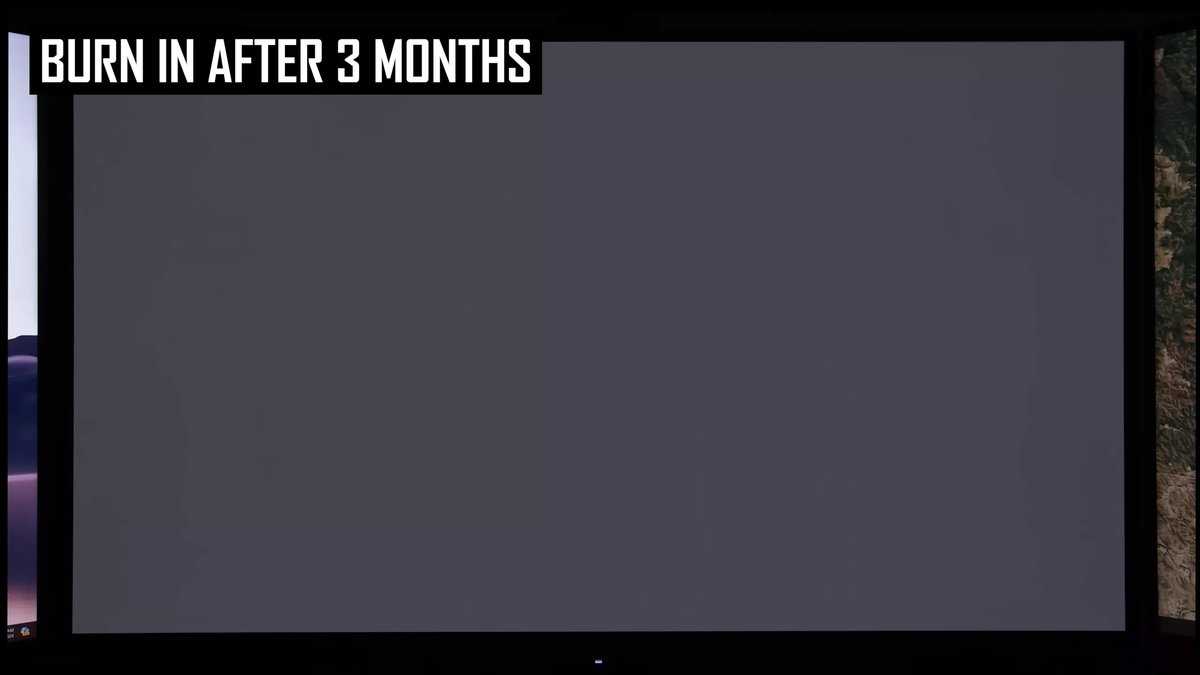
You've heard the whispers, maybe even seen the panicked forum posts: "OLED burn-in is a real problem!" When you're eyeing a dazzling new display, questions about OLED Longevity, Durability, and Burn-in Concerns Explained often rise to the forefront. But for most users, these fears are largely overblown, a relic of earlier technologies rather than a true risk for today's advanced panels.
Let's cut through the noise and give you the real story.
At a Glance: Quick Takeaways on OLED Durability
- Burn-in Risk: For typical, varied viewing habits, the risk of burn-in on a modern OLED TV is extremely low and largely overblown.
- Root Cause: Burn-in primarily occurs from prolonged, repeated display of static on-screen elements (like network logos or news tickers) at high brightness settings.
- Modern Safeguards: Today's OLED TVs are packed with advanced technologies like pixel shifting, logo detection, and automatic pixel cleaning designed to actively prevent burn-in.
- OLED vs. LED: OLED offers superior visual performance (true blacks, vibrant colors) while LED generally boasts greater ultimate durability and lower cost. Your usage patterns should guide your choice.
- Maximizing Lifespan: Vary your content, use automatic features, and manage brightness for static elements to ensure your OLED shines for years.
The Unrivaled Brilliance of OLED (And Why We Love It So Much)
Before we dive into durability, it’s worth remembering why OLED has become the darling of home theater enthusiasts. Unlike traditional LED screens, OLED (Organic Light Emitting Diode) pixels generate their own light. This means individual pixels can turn completely off, delivering truly perfect blacks and an infinite contrast ratio that no other display technology can match.
The result? Colors pop with incredible vibrancy, images boast exceptional contrast, and you get improved color accuracy, lightning-fast response times, and wide viewing angles that make every seat the best seat in the house. This unparalleled visual performance is why millions choose OLED, making the discussion around its longevity all the more important.
Understanding Burn-In: The Myth vs. The Reality
Let's address the elephant in the room: burn-in. In simple terms, burn-in is a phenomenon where a ghostly after-image of a static element permanently sears into the picture. Think of a news channel's persistent logo or a video game's health bar leaving a faint, permanent outline on your screen even when the content changes.
It's crucial to distinguish burn-in from temporary image retention. Image retention might leave a brief ghost image after a static element disappears, but it fades quickly. Burn-in, however, is permanent.
While the fear of burn-in has a historical basis – earlier OLED displays and especially plasma TVs carried a higher risk – advancements in OLED engineering and manufacturing have significantly marginalized this concern. The ground truth is that burn-in primarily occurs due to static on-screen elements like network logos, news tickers, or menu icons displayed for several uninterrupted hours, repeatedly, over a long period. For the vast majority of users who watch a variety of content, this scenario is highly unlikely.
Before diving deeper into burn-in, you might be wondering if an OLED TV is the right choice for your needs overall. Learn if OLED TV is worth it and make an informed decision about this premium display technology.
How Modern OLED TVs Fight Back: Built-in Protections
Today's OLED televisions aren't just passively waiting for burn-in to happen; they actively combat it with a suite of sophisticated preventative measures. These technologies work silently in the background, ensuring your pristine picture quality endures.
Pixel Shifting: The Constant, Subtle Dance
Imagine your TV screen subtly moving its entire picture, just a few pixels at a time, so that no single pixel is ever "stuck" displaying the exact same information for too long. That's pixel shifting at work. Features like those found in an LG C5 OLED, for instance, imperceptibly shift the image, ensuring all pixels get a break and preventing static display from causing uneven wear. You won't notice it, but your TV's pixels will thank you.
Logo Detection and Dimming: Smart Spot Protection
Many modern OLED TVs are intelligent enough to detect static elements, such as channel logos or scoreboards, that commonly appear in a fixed position. Once identified, the TV can automatically dim only that specific area of the screen, reducing the luminance and minimizing the impact on those particular pixels. This targeted dimming helps prevent accelerated wear on pixels that would otherwise be overworked by constant, bright, static images.
Pixel Cleaning (Pixel Refresh/Panel Refresh): Your TV's Self-Correction
Perhaps the most potent defense mechanism is pixel cleaning, also known as pixel refresh or panel refresh. This process automatically adjusts the luminance of individual pixels to correct any unevenness that might have developed over time. Think of it as a gentle recalibration for your screen.
This process can take several minutes to run and typically activates in the background when your TV is off but still plugged in (often after about 4 hours of cumulative on-time). While there's usually a manual option in your TV's settings, it's generally best to let the automatic, lighter version do its work. Manually running these features regularly can sometimes be more aggressive than necessary for typical usage, so trust your TV's automated schedule.
OLED vs. LED: A Durability Showdown (and What It Means for You)
When it comes to display longevity and durability, there are inherent differences between OLED and LED (Liquid Emitting Diode) technologies. Understanding these can help you decide which is best suited for your home.
OLED's Strengths and Specific Durability Considerations
OLEDs, with their self-emissive pixels, offer an unparalleled visual experience characterized by vibrant colors and the deepest blacks imaginable. However, this technology comes with specific durability considerations:
- Susceptibility to Burn-in: While greatly mitigated by modern tech, OLEDs are more susceptible to burn-in compared to LEDs when exposed to prolonged static content, especially at high brightness settings.
- Viewing Angle Impact: The ground truth suggests that OLEDs may show uneven wear with varying brightness across different viewing angles over extreme periods, though this is not a common user complaint.
LED's Robustness and Longevity Advantages
LED technology, which uses a backlight to illuminate pixels, offers an alternative with different strengths:
- Greater Durability & Resistance: LEDs are known for their superior resistance to image retention and burn-in. They handle varied usage, including static content, much better without concern for permanent image degradation.
- Exceptional Lifespan: LED displays boast impressive longevity, often rated for up to 50,000 hours or more of use. This translates to decades of operation for a typical user.
- Energy Efficiency: LEDs are significantly more energy-efficient, using up to 80% less energy than older incandescent bulbs, leading to lower operating costs over time.
- Consistent Performance: Unlike OLEDs which can theoretically be affected by burn-in impacting display fidelity over time, LEDs maintain impressive color accuracy and display fidelity throughout their extensive lifespan.
Making Your Choice: Usage Patterns are Key
When choosing between OLED and LED, your personal usage patterns, priorities for display quality versus ultimate durability, and budget are paramount:
- Choose OLED if: You prioritize the absolute best picture quality, regularly watch movies, varied TV shows, and play diverse video games. You understand and trust the built-in preventative measures.
- Consider LED if: You frequently display static content for many hours daily (e.g., a dedicated news channel monitor, security camera feed), prioritize ultimate durability and resistance to any image retention concerns, or are looking for a lower initial cost and potentially reduced long-term maintenance.
For most people engaging in typical, varied usage, OLED's picture quality benefits easily outweigh the now largely diminished burn-in concerns.
Maximizing Your OLED's Lifespan: Practical Tips
While modern OLED TVs are remarkably robust, a few simple habits can further ensure your display remains pristine for years to come. These aren't "babysitting" requirements, but rather smart usage practices.
1. Vary Your Content: The Golden Rule
This is the single most effective prevention strategy. Avoid keeping a single, static image on screen for very long periods. If you frequently leave your TV on a news channel with persistent tickers and logos for hours on end, consider varying your viewing or taking breaks. Regularly watching a mix of movies, TV shows, and games ensures all pixels get varied usage.
2. Mind Your Brightness for Static Elements
While OLEDs thrive with high brightness, for extended periods of static content (e.g., pausing a game with a HUD for an hour to make dinner), consider temporarily reducing the brightness or turning the screen off. This reduces the strain on the pixels displaying the static image.
3. Let Automatic Features Work Their Magic
Trust your TV's built-in pixel shifting, logo detection, and automatic pixel cleaning features. These are designed to protect your screen without your intervention. Avoid manually running aggressive pixel refresh cycles too frequently; your TV typically handles light preventative refreshes on its own.
4. Power Off Properly
When you're done watching, use your remote to turn off the TV. This allows the automatic background pixel cleaning cycles to run uninterrupted when the TV is in standby mode. Avoid unplugging the TV immediately after use, as this can interrupt these essential maintenance processes.
5. Keep it Cool and Clean
While not exclusive to OLED, all electronics benefit from being kept in cool, dry areas with good ventilation. Regularly cleaning your screen to remove dust and debris (using a soft, dry cloth) also contributes to overall longevity and picture quality.
The Warranty Question: Are You Covered?
One of the most common concerns is what happens if burn-in does occur. The good news is that many OLED TV manufacturers offer warranty coverage for burn-in issues, but policies can differ significantly between brands and even specific models.
It’s crucial to check the specific warranty terms from the manufacturer of the OLED TV you're considering. Some might cover burn-in for a limited period, while others might have more extensive coverage. Be aware that complete repair after burn-in occurs is not always guaranteed, though screen restoration methods can sometimes mitigate the effects. Understanding your warranty provides an extra layer of peace of mind.
Addressing Common Burn-In Myths & Misconceptions
Despite the facts, several myths about OLED burn-in persist. Let's debunk a few:
- "My gaming HUD will cause burn-in, so OLED is bad for gamers."
- Reality: For varied gaming, this is highly unlikely. Modern games often have dynamic HUDs, and the built-in protections on OLED TVs are very effective. Most gamers switch between games and other content, preventing the prolonged, static display needed for burn-in.
- "I need to manually run pixel refresh daily/weekly."
- Reality: No. Your TV's automatic, lighter pixel refresh typically runs in the background when the TV is off. Manually running the full, more aggressive cycle too often can actually reduce the lifespan of the panel, as it involves higher voltage to "reset" pixels. Trust the automation.
- "Any static image for a minute will burn in."
- Reality: Absolutely not. Burn-in requires many uninterrupted hours repeatedly of the same static image at high brightness. Short pauses or brief static images are completely harmless.
- "OLEDs are fragile and need to be babied."
- Reality: Modern OLED panels are robust and designed for typical everyday use. While care should always be taken with any high-end display, you don't need to treat an OLED TV like fine china. Its durability for regular usage is excellent.
Making an Informed Choice: Is OLED Right for Your Life?
Ultimately, the decision to buy an OLED TV, or any display for that matter, comes down to your personal needs and viewing habits.
For those who prioritize an unrivaled visual experience with true blacks, infinite contrast, and stunning colors for movies, varied TV shows, and gaming, a modern OLED TV is an outstanding choice. The advancements in burn-in prevention mean that for typical, varied usage, concerns about OLED Longevity, Durability, and Burn-in Concerns Explained are indeed mostly overblown. You can enjoy your content without constant worry.
However, if your primary usage involves consistently displaying static information for many hours a day, every day (e.g., a retail display, a security monitor, or constant news channel viewing without variety), an LED TV might still offer greater peace of mind due to its inherent resistance to image retention.
For most households, the joy of OLED's pristine picture quality far outweighs the now-minimal risk of burn-in.
Beyond the Screen: A Final Thought on Enjoying Your Tech
The rapid evolution of display technology means that today's OLED TVs are not only stunning visually but also engineered with remarkable intelligence and durability. While vigilance about static content is always a good practice, the era of constant worry about burn-in is largely behind us.
So, go ahead and immerse yourself in the incredible worlds an OLED TV can bring to life. Enjoy the vibrant colors, the inky blacks, and the breathtaking clarity. Your TV is designed to deliver years of enjoyment, allowing you to focus on the content, not the concerns.