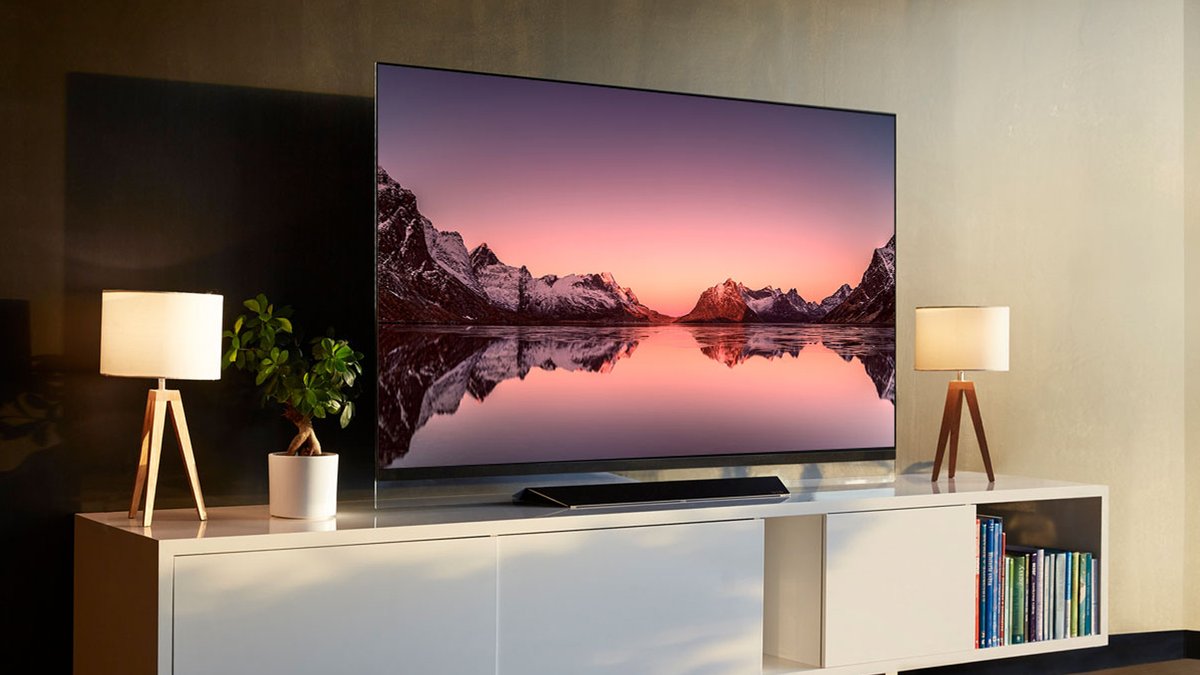
In the ever-evolving world of home entertainment, few technologies spark as much debate and desire as OLED TVs. Touted for their unparalleled picture quality and sleek designs, OLED has certainly captured the imagination of cinephiles and tech enthusiasts alike. But with a premium price tag and a few specific trade-offs, the crucial question remains: is an OLED TV truly worth it for your home and viewing habits?
This flagship guide is designed to cut through the marketing jargon, offering a comprehensive, human-first look at OLED technology. We’ll explore its dazzling strengths, dissect its potential weaknesses, and compare it head-to-head with its top competitors, QLED and Mini-LED, helping you make an informed decision tailored to your reality.
The Unrivaled Brilliance of OLED Picture Quality
At the heart of OLED's appeal lies its groundbreaking display technology. Unlike traditional LED-backlit TVs, each pixel in an OLED panel is self-illuminating. This means every tiny light source can be individually turned on or off, achieving what's known as "perfect black." Imagine stars against a truly inky night sky, or the crisp edges of a bright object without any distracting halo effect – that's the OLED difference.
This perfect black level creates an infinite contrast ratio, making colors richer, visuals sharper, and scenes more cinematic and life-like. Whether you're watching a visually stunning film, streaming your favorite series, or catching a live sports event, the depth and realism are extraordinary, especially in a dimly lit room. To understand just how this technology transforms your viewing experience, Dive into OLED picture quality and discover the technical magic behind these stunning visuals.
Beyond contrast, OLED TVs also boast ultra-wide viewing angles, meaning the picture quality remains consistent and vibrant even if you're not sitting directly in front of the screen. For gamers, the instant response time is a game-changer, eliminating motion blur and input lag for an incredibly fluid and responsive experience.
OLED vs. The Contenders: QLED, Mini-LED, and UHD
While OLED stands out for its unique strengths, it's not the only player in the high-end TV market. Understanding how it stacks up against technologies like QLED and Mini-LED is crucial for finding the best fit for your home. It's also important to remember that UHD (Ultra High Definition) refers to resolution (like 4K or 8K) and isn't a panel technology itself; most modern OLEDs are also UHD TVs.
- QLED (Quantum Dot LED): These TVs are an evolution of LCD technology, enhancing LED backlights with quantum dots for superior color and brightness. QLEDs typically excel in very bright rooms, offering higher peak brightness than OLEDs. They also present a lower risk of "burn-in" for static images, making them a safer bet for prolonged gaming sessions with static HUDs or news channels. However, because they rely on a backlight, their black levels aren't as "perfect" as OLEDs, potentially showing some light bleed or "halo" effects.
- Mini-LED: Representing the next step in LED backlighting, Mini-LED TVs use thousands of tiny LEDs to offer far more precise control over brightness and contrast than standard QLEDs. This results in significantly better black levels and higher brightness, making them fantastic for HDR content and well-suited for bright environments. While Mini-LEDs come very close to OLED's contrast, they can still exhibit some "blooming" – a subtle halo of light around bright objects on dark backgrounds – a phenomenon OLEDs entirely avoid.
Each technology has its sweet spot. While OLED offers an unparalleled cinematic experience in the right conditions, QLED and Mini-LED provide compelling alternatives, often at a more accessible price point, particularly if you prioritize brightness or have concerns about screen longevity. For an in-depth breakdown of these technologies and to truly Compare OLED, QLED, Mini-LED, explore our dedicated comparison guide.
Navigating the Trade-offs: Price, Longevity, and Brightness
No TV technology is without its compromises, and OLED is no exception. Understanding these nuances is key to determining if the benefits outweigh the drawbacks for your specific situation.
The OLED Premium: Understanding the Price Tag
OLED TVs generally come with a significantly higher price tag compared to similarly sized QLED or Mini-LED models. This premium reflects the advanced manufacturing process and cutting-edge display technology. While prices have been gradually decreasing over time, don't expect dramatic drops in the near future. To find the best deals, smart shoppers often look to major sales events, especially around the holiday season when new models are typically announced. If you're weighing the cost against the visual payoff, it's essential to Understand OLED TV pricing and value to see if it aligns with your budget and expectations.
Burn-in and Longevity: A Real Concern?
One of the most frequently discussed concerns with OLED technology is the risk of "burn-in." This occurs when static images, such as channel logos, news tickers, or gaming HUDs, remain on screen for extended periods, potentially leaving a faint, permanent ghost image. While manufacturers have implemented sophisticated pixel-shifting and refresh technologies to mitigate this risk, it's still a consideration, particularly for users with specific viewing habits. If you frequently leave your TV on a single news channel or game for hours with static on-screen elements, this is a factor to weigh. For a thorough explanation of this issue and what it means for your investment, our guide on OLED longevity and burn-in explained Understand offers crucial insights.
Brightness Limitations and Panel Delicacy
Compared to QLED and Mini-LED TVs, OLED panels have lower peak brightness. This means that while they produce incredible contrast in dim rooms, they might not "pop" as much in very bright environments with lots of ambient light. If your primary viewing space is a sun-drenched living room, a brighter alternative might offer a more satisfying picture. Additionally, OLED panels are generally considered more delicate than their LCD-based counterparts, requiring a bit more care in handling and placement.
OLED in Action: Who Benefits Most from This Technology?
Despite the trade-offs, OLED TVs are packed with features and offer distinct advantages for specific use cases.
- For Movie Buffs and Streamers: If cinematic picture quality, deep blacks, and rich colors are your top priorities, especially for evening viewing, OLED delivers an experience unrivaled by other consumer display technologies. The support for advanced HDR formats like Dolby Vision further enhances this premium experience.
- For Sports Fanatics: The instant response time and smooth motion handling make fast-paced sports incredibly immersive, reducing blur and keeping the action crisp.
- For Serious Gamers: Beyond the instant response time, many OLED TVs come equipped with advanced gaming features like HDMI 2.1 inputs, variable refresh rates (VRR), and auto low latency mode (ALLM), supporting 4K gaming at 120Hz. This combination creates an incredibly fluid and competitive gaming environment. To see how OLED performs across all these entertainment categories, our OLED TV Performance Review offers a deep dive.
- Design and Aesthetics: OLED's self-emissive nature means no need for a bulky backlight, allowing for incredibly thin and elegant designs. Many models feature razor-thin profiles, some even housing components in a separate chassis or connection box for a truly minimalist look and easier cable management.
Making Your Decision: Key Considerations Before You Buy
Ultimately, the question "Is OLED TV worth it?" doesn't have a single universal answer. It depends entirely on your personal priorities, viewing environment, and budget. Here are the actionable insights to guide your decision:
- Assess Your Room Environment: If your main viewing area is a dedicated home theater or a dim living room, OLED will truly shine. For bright, sunlit rooms, a QLED or Mini-LED might provide a more impactful viewing experience with its higher peak brightness.
- Evaluate Your Viewing Habits: Are you a movie enthusiast who prioritizes ultimate picture fidelity? OLED is likely a fantastic investment. If you constantly watch news channels with static logos, play games with fixed HUDs for hours on end, or need a robust TV for a bustling family room, consider the burn-in risk and the greater durability of QLED or Mini-LED alternatives.
- Set Your Budget Realistically: Determine if the "best" picture quality OLED offers is worth the premium price for you, or if a larger screen size or brighter performance from a QLED or Mini-LED offers better overall value within your budget. Remember to factor in potential long-term costs or considerations.
- Consider Family Needs: In households with children, the generally more rugged panels of Mini-LED and QLED, combined with their resistance to fingerprints and lower burn-in risk, can often make them a more practical and longer-lasting choice.
The Path Forward: Your Perfect TV Awaits
OLED TVs represent the pinnacle of picture quality for specific use cases, offering a truly breathtaking visual experience. For those who prioritize cinematic blacks, vibrant colors, and instant response times, especially in controlled lighting, the investment can be profoundly rewarding. However, for every compelling advantage, there are practical considerations regarding price, longevity, and brightness that deserve your attention.
By carefully evaluating your unique situation against OLED's strengths and weaknesses, and by exploring our detailed pillar guides, you'll be well-equipped to make a decision that brings the best possible home entertainment experience into your life – one that truly separates the hype from your home reality.